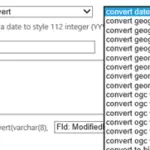
Working with Spatial Data Types
If you are working with spatial data types, then it won’t be long before you learn that SSIS does not directly support geography or geometry

If you are working with spatial data types, then it won’t be long before you learn that SSIS does not directly support geography or geometry
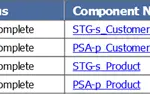
The LeapFrogBI platform is constantly being improved thanks largely to user feedback. Here’s a quick recap of the top 10 enhancements of 2014 that you

Have you ever had the need to rollback your project to a point prior to the last load process? Well, it is easier than ever
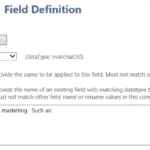
LeapFrogBI streamlines the creation, maintenance and sharing of a data dictionary. Simply provide a text description for components and fields online, and the rest is
Naming standards play an important role in ensuring that data models are easy to understand & navigate. Naming standards also simplify ongoing maintenance and knowledge
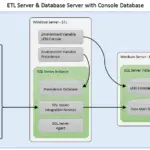
LeapFrogBI supports a number of physical architecture options. Developers can select an architecture and configure each project as desired. Keep in mind that LeapFrogBI creates
LeapFrogBI’s out of the box reporting just got better. Precedence reports make load execution monitoring available to anyone with a web browser. Jump straight to
LeapFrogBI projects can deploy to all SQL Server version from 2008 through 2012 (2014 coming soon). Even better, existing projects are forward and backward compatible.
LeapFrogBI deploys to several target systems; SQL Sever 2008, SQL Server 2008R2, SQL Server 2012, and SQL Server 2014 (coming soon). Traditionally, migrating from one
Several LeapFrogBI processes use Excel to define configuration details such as FTP, HTTP, and MFS. In some versions of windows, the Excel application is set